


The evolution of gambling through the ages a historical perspective
The Origins of Gambling
The roots of gambling can be traced back to ancient civilizations, where rudimentary forms of gaming were used for both entertainment and divination. Archaeological findings suggest that as far back as 5,000 years ago, the Chinese were playing games of chance using wooden sticks and tiles. Similarly, the Greeks and Romans embraced betting activities, often involving dice and board games, reflecting a cultural affinity for risk and chance. Today, with the availability of top online casinos, the spirit of competition continues to thrive as it did in ancient times.

These early forms of gambling were not merely for amusement; they served as a social activity that often accompanied major events such as religious festivals and military celebrations. The dual nature of gambling as both entertainment and a medium for social interaction laid the groundwork for its evolution throughout history.
The Middle Ages: A Time of Change
During the Middle Ages, gambling experienced a transformation influenced by the socio-political landscape of the time. As feudal societies emerged, various forms of gaming, including card games, began to gain popularity. The introduction of playing cards from Asia to Europe marked a significant shift, leading to the establishment of structured games that encouraged strategic thinking and skill.
Moreover, the Church’s stance on gambling during this period often oscillated between acceptance and condemnation. While some viewed it as a sinful activity, others recognized its role in fostering community ties. This dichotomy contributed to the complex relationship society had with gambling, which would continue to evolve in subsequent eras. Advanced techniques in playing strategies also emerged, further enhancing the gambling experience for those willing to learn.
The Renaissance and the Rise of Betting Houses
The Renaissance period heralded a new age for gambling, characterized by the establishment of dedicated betting houses. With the expansion of trade and commerce, cities became hubs of social activity, leading to the rise of venues where individuals could place bets on various outcomes, from sports to political events. This era saw the formalization of gambling laws and regulations, reflecting a growing recognition of its societal implications.
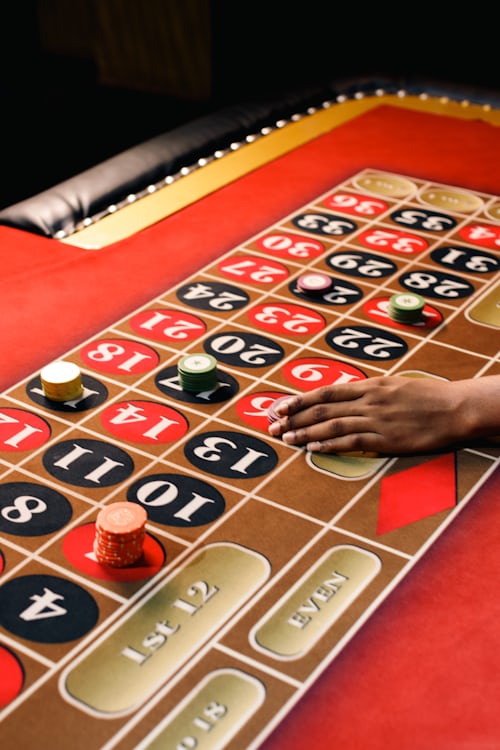
Innovations in gaming also flourished during this time, with the introduction of new games such as roulette and baccarat. These developments not only made gambling more accessible but also enhanced its allure, drawing individuals from all walks of life. The intersection of art, culture, and gambling during the Renaissance laid the foundation for the industry as we know it today.
The Modern Era: Gambling in the 19th and 20th Centuries
The 19th century marked a pivotal moment in gambling history, with the establishment of iconic casinos in places like Monte Carlo and Las Vegas. The legalization of gambling in various jurisdictions reflected changing attitudes towards risk and entertainment. As industrialization progressed, more people had disposable income and leisure time, which led to a surge in interest in gambling activities.
The emergence of online gambling in the late 20th century revolutionized the industry once again. The Internet provided unprecedented access to gambling platforms, enabling individuals to place bets from the comfort of their homes. This technological advancement not only expanded the reach of gambling but also gave rise to new forms of gaming, such as online poker and sports betting.
Margaret River Press: A Hub for Literary Exploration
Margaret River Press is dedicated to enriching the literary landscape by showcasing exceptional works that inspire and engage readers. As a platform that connects authors with their audience, it offers a diverse range of literary resources, catering to various tastes and interests. By promoting creativity and storytelling, Margaret River Press fosters a vibrant community of both writers and readers.
Through literary events and insightful resources, the platform encourages exploration and appreciation of literature. In a world where storytelling is paramount, Margaret River Press stands as a beacon of inspiration, highlighting the profound impact of words across cultures and generations.